
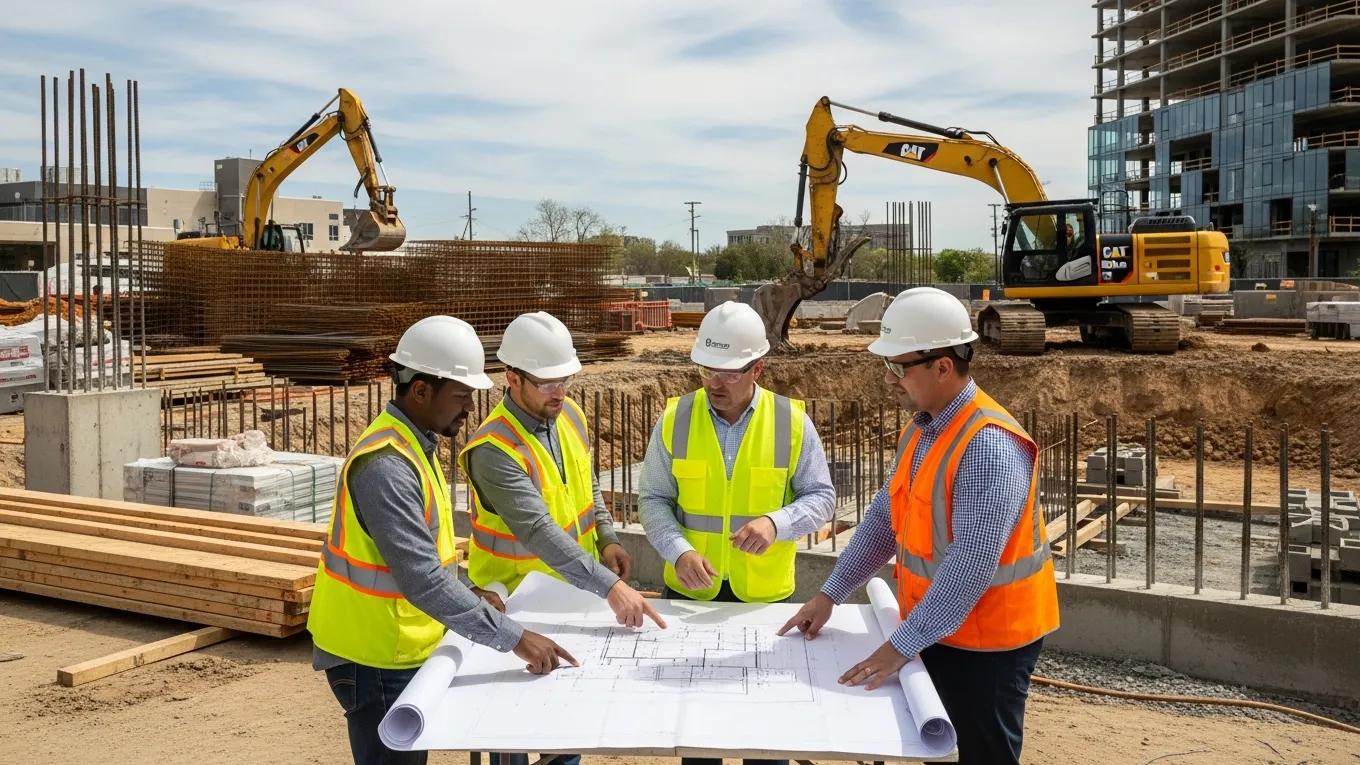
Choosing the right construction project delivery method is crucial for the success of any renovation, whether residential or commercial. The two primary approaches 1design-build and traditional construction 1offer distinct advantages and challenges that can significantly impact project outcomes. This article will explore the nuances of each method, helping you understand their processes, timelines, cost implications, and how to select the best option for your specific needs. As many homeowners and business owners face the dilemma of which method to choose, this guide aims to clarify the differences and provide insights into making an informed decision. We will delve into the design-build process, compare it with traditional construction, and highlight the benefits of each approach, ultimately guiding you toward the best choice for your renovation project.
What Defines the Design-Build Construction Process?
The design-build construction process is an integrated approach that combines both design and construction phases into a single contract. This method streamlines project delivery by fostering collaboration between designers and builders from the outset, which enhances communication and efficiency. By having a unified team, design-build projects can adapt more readily to changes and challenges, leading to a smoother workflow and faster completion times. This integrated approach not only simplifies the management of the project but also aligns the interests of all parties involved, ultimately benefiting the client.
How Does Design-Build Integrate Design and Construction Phases?
In the design-build model, the design and construction phases are closely intertwined, allowing for real-time feedback and adjustments. This collaboration ensures that the project remains aligned with the client’s vision while adhering to budget and timeline constraints. For instance, if a design element proves to be impractical during construction, the team can quickly propose alternatives without the delays typically associated with traditional methods. This synergy results in a more efficient project delivery, reducing the likelihood of costly change orders and delays.
What Are the Key Advantages of Design-Build for Homeowners and Commercial Clients?
The design-build approach offers several key advantages for both homeowners and commercial clients:
- Cost Efficiency: By integrating design and construction, clients often experience reduced overall costs due to fewer change orders and streamlined processes.
- Faster Project Delivery: The collaborative nature of design-build allows for overlapping phases, which can significantly shorten project timelines.
- Enhanced Quality Control: With a single point of responsibility, the design-build team can maintain higher quality standards throughout the project.
For those considering a design-build approach, OZ General Contracting Co. Inc. specializes in providing tailored solutions that meet the unique needs of each client, ensuring a smooth and successful renovation experience.
How Does the Traditional Construction Timeline Compare to Design-Build?

Traditional construction follows a more sequential process, where design and construction phases are distinctly separated. This method typically involves multiple contracts and can lead to longer project timelines due to the need for extensive coordination between different parties. Understanding the differences in timelines between these two methods is essential for clients looking to manage their renovation schedules effectively.
What Are the Separate Phases Involved in Traditional Construction?
In traditional construction, the project is divided into several distinct phases:
- Pre-Design Phase: Initial planning and feasibility studies are conducted.
- Design Phase: Architects and engineers create detailed plans and specifications.
- Construction Phase: The actual building process begins, following the completion of the design.
Each phase requires its own timeline, which can lead to delays if any issues arise during the transition from one phase to the next.
How Do Project Duration and Scheduling Differ Between Methods?
The scheduling of traditional construction projects often results in longer durations due to the sequential nature of the phases. In contrast, design-build projects can overlap design and construction activities, allowing for a more flexible and expedited timeline. This difference can be particularly advantageous for clients who need to complete renovations quickly, as design-build methods can significantly reduce the overall project duration.
What Are the Cost Implications of Design-Build Versus Traditional Construction?
Cost considerations are a critical factor in choosing between design-build and traditional construction methods. Each approach has its own financial implications that can affect the overall budget and project feasibility.
How Does Integrated Project Management Affect Overall Costs?
Integrated project management in design-build can lead to substantial cost savings. By having a single entity responsible for both design and construction, clients can avoid the pitfalls of miscommunication and misalignment that often occur in traditional methods. This integration minimizes the risk of costly change orders and allows for more accurate budgeting from the outset.
What Are Typical Cost Savings and Budget Risks in Each Method?
Design-build projects typically offer average cost savings of 10-20% compared to traditional construction methods. However, traditional methods may present budget risks due to the potential for unforeseen changes and delays. Understanding these financial dynamics is essential for clients to make informed decisions about their renovation projects.
Further research supports the notion that design-build projects can offer significant advantages in terms of both budget and schedule.
Design-Build Project Cost & Schedule Implications for Owners
concerning the cost and time performance of DB projects, the findings benefit to owners in understanding the likely schedule and budget implications involved for their particular project
Time and cost performance of design–build projects, B Xia, 2016
How Do Design-Build and Design-Bid-Build Delivery Methods Differ?
Design-build and design-bid-build are two distinct project delivery methods, each with its own set of characteristics and advantages. Understanding these differences can help clients choose the right approach for their specific needs.
What Are the Roles and Responsibilities in Design-Bid-Build?
In the design-bid-build model, the roles are clearly defined: the designer creates the plans, and the contractor bids on the project based on those plans. This separation can lead to a lack of collaboration, which may result in misunderstandings and delays. In contrast, design-build fosters a more collaborative environment, where the contractor is involved in the design process, leading to better alignment and communication.
Why Might Design-Build Offer Improved Communication and Efficiency?
Design-build methods enhance communication by integrating the design and construction teams from the beginning. This unified approach allows for quicker decision-making and reduces the likelihood of misunderstandings. As a result, projects can progress more smoothly, with fewer delays and a higher quality of work.
How Can You Choose the Right Construction Project Delivery Method for Your Renovation?
Selecting the appropriate construction project delivery method is crucial for the success of your renovation. Several factors should influence your decision, including project scope, budget, and timeline expectations.
What Factors Should Influence Your Decision Between Design-Build and Traditional Methods?
When deciding between design-build and traditional methods, consider the following factors:
- Project Scope: Larger, more complex projects may benefit from the integrated approach of design-build.
- Budget Considerations: If cost control is a priority, design-build may offer more predictable budgeting.
- Timeline Expectations: For projects with tight deadlines, design-build can provide faster delivery.
How Does OZ General Contracting Co. Inc. Support Clients in This Choice?
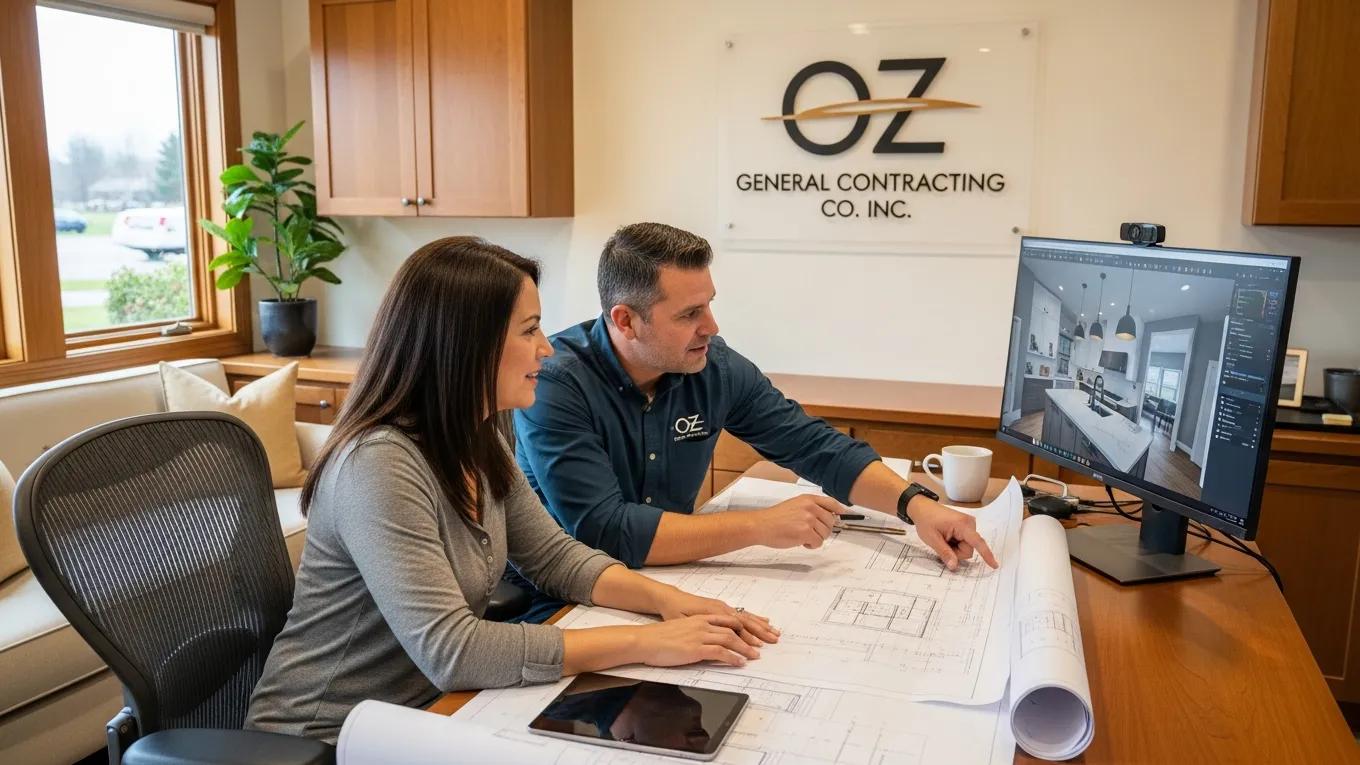
OZ General Contracting Co. Inc. offers personalized consultation services to help clients navigate the decision-making process. With expertise in both design-build and traditional construction methods, the company provides tailored guidance to ensure that clients choose the best approach for their renovation needs. Their commitment to client satisfaction and project success makes them a valuable partner in any construction endeavor.
What Do Recent Case Studies Reveal About Design-Build Success in Nassau and Suffolk Counties?
Recent case studies in Nassau and Suffolk counties highlight the effectiveness of the design-build approach in achieving successful renovation outcomes. These examples demonstrate how design-build can lead to significant improvements in project timelines and costs.
How Have Design-Build Projects Reduced Timelines and Costs Locally?
Local design-build projects have consistently shown reductions in timelines by up to 30%, allowing clients to enjoy their renovated spaces sooner. Additionally, these projects often come in under budget, showcasing the financial benefits of this integrated approach.
What Client Testimonials Highlight Satisfaction with Design-Build Services?
Client testimonials from recent design-build projects emphasize satisfaction with the streamlined process and quality of work. Many clients report that the collaborative nature of design-build led to a more enjoyable renovation experience, with fewer headaches and a greater sense of control over the project.
For more detailed insights on project delivery methods, the Construction Management Association provides extensive resources and case studies.
Frequently Asked Questions
What Are the Risks Associated with Each Construction Method?
Both design-build and traditional construction methods entail specific risks. In design-build, a key risk arises from the tight integration of design and construction, which can lead to scope creep if not managed effectively. Conversely, traditional methods may incur risks due to the potential for miscommunication among separate contracts, leading to delays and budget overruns. Assessing the agency responsible for project oversight can help mitigate these risks effectively.
How Can Homeowners Assess the Expertise of a Design-Build Team?
When selecting a design-build team, homeowners should consider several factors to evaluate expertise. Look for a firm with a robust portfolio that showcases completed projects similar in style and scope. Client testimonials and reviews can provide insight into their past performance. Additionally, verify their licensing, certifications, and any industry affiliations, which indicate a commitment to professional standards. Meeting the team can also help gauge their compatibility and communication style.
Is Design-Build Suitable for All Types of Renovation Projects?
Design-build can be beneficial for various renovation projects; however, it may be particularly suited for larger or more complex undertakings where design adaptability is crucial. Simpler projects might still benefit from this method, but clients should weigh whether the integrated approach justifies the potentially higher initial costs. Assessing the specific needs and constraints of your project will help determine if design-build is the optimal choice.
What Should Clients Expect During the Design-Build Process?
Clients engaging in the design-build process can anticipate a highly collaborative experience. From the outset, they will work closely with a unified team of designers and builders who will guide them through each phase of the project. Clients often participate in decision-making processes regarding designs, materials, and budgets, allowing for real-time adjustments. Regular updates and transparent communication are hallmarks of the design-build approach, helping to ensure client satisfaction throughout the renovation timeline.
How Do Changes in Design Impact Project Costs in Both Methods?
In design-build projects, changes to design during the construction phase can be more manageable and less costly since the same team handles both aspects. This can lead to quicker resolution of issues and less downtime. In contrast, traditional methods typically involve separate contracts for design and construction, which can lead to higher costs and delays when changes are made. Understanding how changes are processed can significantly influence your overall budget and timeline.
What Are Common Misconceptions About Design-Build?
A common misconception about design-build is that it is only suitable for large-scale projects. In reality, this approach can be beneficial for a range of project sizes, offering flexibility and cost efficiency. Another misconception is that it compromises quality due to its speed; however, many design-build firms excel in maintaining high standards through effective quality control practices integrated throughout the process. Clarifying these misconceptions can help potential clients feel more confident in their choice.