
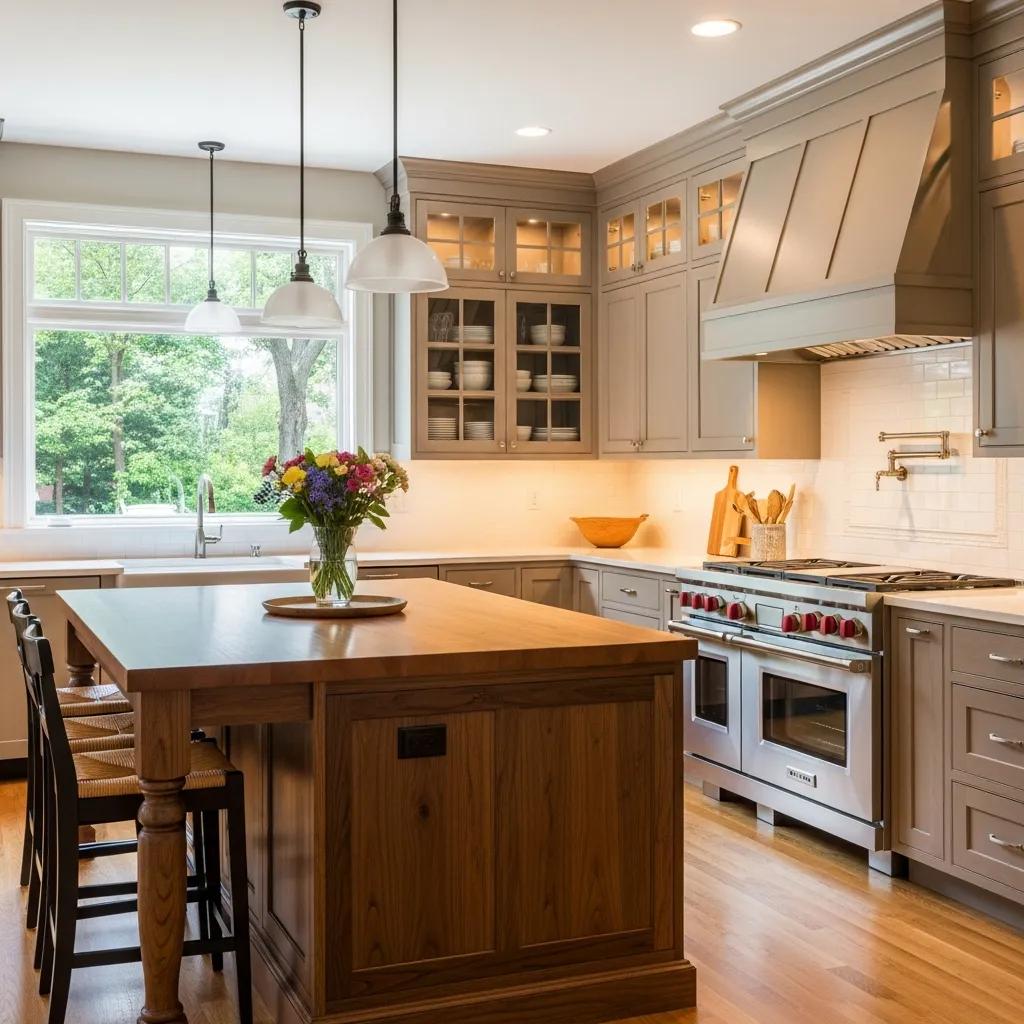
Custom cabinet design is an essential aspect of home renovation, particularly for homeowners in Long Island. With a variety of materials, finishes, and styles available, selecting the right custom cabinets can significantly enhance both the functionality and aesthetic appeal of a home. This article will explore the leading materials and finishes for custom cabinets, compare popular wood types, and discuss the impact of CNC technology on cabinet quality. Additionally, we will delve into popular cabinet styles, typical costs, and maintenance tips to help homeowners make informed decisions. By understanding these elements, homeowners can create beautiful, durable, and personalized spaces that reflect their unique tastes and needs.
What Are the Leading Custom Cabinet Materials and Finishes for Long Island Homes?

When it comes to custom cabinets, the choice of materials and finishes plays a crucial role in determining their durability and appearance. Popular materials include hardwoods like maple, cherry, and oak, as well as engineered options like plywood and MDF. Each material offers distinct advantages, such as strength, aesthetic appeal, and cost-effectiveness.
The 2013 study “Effect of Laboratory-Accelerated Aging Treatment on the Ultimate Strength of a 4-Sided MDF Kitchen Cabinet” documents how specific engineered materials like MDF can significantly impact the durability and service life of kitchen cabinets.
Enhancing Kitchen Cabinet Durability with MDF Materials In this study, 4-sided rectangular full-size cabinets from 2 types of medium-density fiberboard (MDF; melamine-coated MDF with edge band and uncoated MDF without edge band) were manufactured and tested. Screws with nominal size of 4 × 40 mm were used for joint fabrication. Cabinets were kept in a conditioned climate chamber for accelerated aging treatment and their maximum load-bearing capacity was measured. Results revealed that approximately one-third of the load-carrying capacity of both types of cabinets (when compared to control samples) was lost after aging cycles. The ultimate strength of cabinets (in both control samples and after aging cycles) constructed of melamine-coated MDF with edge band was 1.8 times greater than that of cabinets made of uncoated MDF without edge band. Therefore, using edge banding and coated MDF in cabinet construction is strongly suggested, as this can improve the maximum load-bearing capacity and service life of cabinets while having li Effect of laboratory-accelerated aging treatment on the ultimate strength of a 4-sided MDF kitchen cabinet, 2013
OZ General Contracting specializes in custom cabinets manufactured in-house, ensuring high quality and tailored designs. Additionally, sustainable materials are increasingly favored, aligning with eco-conscious consumer preferences. For countertops, materials like “Cambria Quartz“ are highly sought after for their durability and elegance.
The U.S. Department of Labor’s “Cabinetmaker: Occupational Analysis Series” (2000) outlines the essential skills and materials involved in the intricate process of custom cabinetry.
Essential Skills & Materials for Custom Cabinetry The analysis covers six blocks plus the tasks and sub-tasks associated with each block. The blocks are: common occupational skills; machining; forming and laminating; veneers and laminates; assembly; and finishing and restoration. The section for each block describes the skills and knowledge that must be acquired to perform the tasks, any shifts or changes in technology, the components of the tasks, and the tools and equipment needed, and 18 tasks including builds prototypes, assembles cabinets, and restores woodwork. Cabinetmaker. Occupational Analysis Series., 2000
| Material | Finish | Characteristics |
|---|---|---|
| Maple | Stained | Light color, smooth grain, durable |
| Cherry | Lacquered | Rich color, ages beautifully, warm tones |
| Oak | Painted | Strong, versatile, can be customized |
This table highlights the leading materials and finishes available for custom cabinets, showcasing their unique characteristics and benefits.
How Do Maple, Cherry, and Oak Compare in Durability and Appearance?
Maple, cherry, and oak are three of the most popular wood types used in custom cabinetry. Each wood type has its own unique characteristics that influence both durability and appearance.
Maple is known for its strength and resistance to wear, making it an excellent choice for high-traffic areas. Its light color and smooth grain provide a modern look that can be easily stained or painted. Cherry, on the other hand, is prized for its rich, warm tones that deepen over time, adding character to any space. While it is slightly softer than maple, it still offers good durability. Oak is a classic choice, known for its strength and distinctive grain patterns. It can be finished in various ways, allowing for a range of styles from traditional to contemporary.
Understanding these differences can help homeowners choose the right wood type for their custom cabinets based on their aesthetic preferences and functional needs.
Which Finishes Enhance Longevity and Style in Nassau and Suffolk Counties?
The finish applied to custom cabinets significantly impacts their longevity and style. High-quality finishes not only enhance the visual appeal of the cabinets but also protect the wood from moisture, stains, and wear.
Popular finishes include:
- Lacquer: Provides a durable, high-gloss finish that is easy to clean and maintain.
- Stain: Enhances the natural beauty of the wood while allowing the grain to show through.
- Paint: Offers a wide range of color options, allowing for complete customization.
In Nassau and Suffolk Counties, homeowners often prefer finishes that are both stylish and practical, ensuring their cabinets remain beautiful for years to come.
How Does CNC Cabinet Design Technology Improve Custom Cabinet Quality?

CNC (Computer Numerical Control) technology has revolutionized the cabinet-making process, allowing for precise and consistent manufacturing. This technology enhances the quality of custom cabinets by ensuring that each piece is cut and assembled with exceptional accuracy.
CNC machines can create intricate designs and complex shapes that would be difficult to achieve by hand. This precision not only improves the overall fit and finish of the cabinets but also reduces waste, making the manufacturing process more efficient. Homeowners benefit from the customization options available through “CNC technology”, allowing them to create unique designs that perfectly fit their spaces.
What Are the Benefits of CNC Precision in Cabinet Fabrication?
CNC precision in cabinet fabrication offers several key benefits:
- Exceptional Accuracy: CNC technology ensures that every cut is precise, resulting in a perfect fit for all components.
- Durability of Finished Products: The consistent quality of CNC-manufactured cabinets leads to longer-lasting products that withstand daily use.
- Customization Options: Homeowners can request specific designs and features, allowing for a truly personalized cabinet solution.
These advantages make CNC technology a valuable asset in the custom cabinet industry, providing homeowners with high-quality, tailored solutions.
How Is CNC Technology Integrated into Local Long Island Cabinetry Services?
Local cabinetry services in Long Island have increasingly adopted CNC technology to enhance their offerings. This integration involves using CNC machines for cutting, shaping, and assembling cabinet components, which streamlines the production process.
Craftsmen can focus on design and finishing touches, knowing that the foundational elements are produced with precision. Additionally, many local services combine CNC technology with traditional hand-finishing techniques, ensuring that each cabinet maintains a unique, artisanal quality. This blend of modern technology and craftsmanship appeals to homeowners seeking both quality and individuality in their custom cabinets.
Which Cabinet Styles Are Most Popular Among Long Island Homeowners?
Long Island homeowners often gravitate towards specific cabinet styles that reflect their personal tastes and the architectural characteristics of their homes. The most popular styles include:
- Modern: Characterized by clean lines, minimal ornamentation, and a focus on functionality.
- Traditional: Features ornate details, rich woods, and classic designs that evoke a sense of timelessness.
- Shaker: Known for its simple, functional design with flat-panel doors and a focus on craftsmanship.
These styles cater to a range of preferences, allowing homeowners to choose cabinets that complement their overall home design.
What Defines Modern, Traditional, and Shaker Cabinet Designs?
Each cabinet style has distinct characteristics that set it apart:
- Modern Cabinets: Emphasize simplicity and functionality, often using materials like laminate or high-gloss finishes. They typically feature flat surfaces and minimal hardware.
- Traditional Cabinets: Showcase intricate details, such as raised panel doors and decorative moldings. They often use rich, dark woods and classic finishes.
- Shaker Cabinets: Focus on practicality and craftsmanship, featuring a flat-panel door design with a simple frame. They are often made from solid wood and can be painted or stained.
Understanding these definitions helps homeowners select a style that aligns with their vision for their kitchen or living space.
How Do Local Housing Styles Influence Cabinet Design Choices in Bellmore and Surrounding Areas?
Local housing styles in Bellmore and surrounding areas significantly influence cabinet design choices. Many homes in this region feature traditional architectural elements, which often call for classic cabinet styles that complement the overall aesthetic.
Homeowners may choose custom cabinets that reflect the historical context of their homes, opting for rich woods and ornate details. Conversely, newer constructions may lean towards modern designs, favoring sleek lines and contemporary finishes. This interplay between local architecture and cabinet design ensures that each home maintains a cohesive look that resonates with its surroundings.
What Are the Typical Costs and Financing Options for Custom Cabinets in Nassau and Suffolk Counties?
The cost of custom cabinets in Nassau and Suffolk Counties can vary widely based on several factors, including materials, design complexity, and installation requirements. Pricing varies by project scope, materials, and the specific package selected, so homeowners should contact OZ General Contracting directly for an accurate, personalized quote.
Homeowners should consider financing options to help manage these costs. Many local contractors offer financing solutions that allow homeowners to spread payments over time, making it easier to invest in high-quality cabinetry without a significant upfront expense.
How Is Custom Cabinet Pricing Determined?
Custom cabinet pricing is influenced by various factors, including:
- Material Selection: Higher-quality materials typically result in higher costs.
- Design Complexity: Intricate designs and custom features can increase labor and material expenses.
- Size and Scope: Larger projects require more materials and labor, impacting the overall price.
Understanding these factors can help homeowners budget effectively for their custom cabinet projects.
What Financing Solutions Support Homeowners Investing in Bespoke Cabinetry?
Homeowners looking to invest in bespoke cabinetry can explore several financing solutions. Many contractors offer flexible payment plans that allow for manageable monthly payments. Additionally, some may partner with financial institutions to provide low-interest loans specifically for home improvement projects.
These financing options can make it easier for homeowners to achieve their desired cabinetry without compromising on quality or design.
What Is the Installation Process and Expected Timeline for Custom Cabinets in Long Island?
The installation process for custom cabinets typically involves several key steps:
- Initial Consultation: Discuss design preferences and measurements with a professional.
- Design Planning: Create detailed plans and renderings based on the homeowner’s specifications.
- Installation: Professional installers will carefully fit and secure the cabinets in place.
The expected timeline for installation can vary, but most projects are completed within 2-4 weeks, depending on the complexity of the design and the contractor’s schedule.
How Do Professional Installations Ensure Quality and Client Satisfaction?
Professional installations are crucial for ensuring the quality and longevity of custom cabinets. Experienced installers bring expertise and attention to detail, ensuring that each cabinet is properly aligned and secured.
Additionally, professional services often include a warranty, providing homeowners with peace of mind regarding their investment. Clear communication throughout the installation process also helps to ensure that client expectations are met, leading to higher satisfaction rates.
What Is the Average Duration from Design to Completion?
The average duration from design to completion for custom cabinets can vary based on several factors, including the complexity of the design and the contractor’s workload. Generally, homeowners can expect the entire process to take anywhere from 6 to 12 weeks.
This timeline includes the initial consultation, design phase, manufacturing, and installation. Understanding this timeframe can help homeowners plan their renovation projects more effectively.
How Should Homeowners Maintain and Care for Custom Cabinets to Preserve Their Investment?
Proper maintenance and care are essential for preserving the beauty and functionality of custom cabinets. Homeowners should follow these best practices:
- Regular Cleaning: Use a soft cloth and mild detergent to clean surfaces, avoiding harsh chemicals that can damage finishes.
- Avoid Excess Moisture: Keep cabinets dry and well-ventilated to prevent warping and mold growth.
- Periodic Inspections: Check for loose hardware or signs of wear, addressing any issues promptly to maintain cabinet integrity.
By following these maintenance tips, homeowners can extend the lifespan of their custom cabinets and keep them looking their best.
What Are Best Practices for Cleaning and Upkeep of Various Cabinet Materials?
Different cabinet materials require specific cleaning and upkeep practices to maintain their appearance and durability. Here are some best practices:
- Wood Cabinets: Use a damp cloth for cleaning and apply a wood conditioner periodically to prevent drying.
- Laminate Cabinets: Wipe with a soft cloth and mild cleaner; avoid abrasive materials that can scratch the surface.
- Painted Cabinets: Clean with a gentle cleaner and avoid excessive scrubbing to preserve the finish.
By adhering to these practices, homeowners can ensure their cabinets remain in excellent condition for years to come.
How Does Regular Care Extend Cabinet Longevity and Appearance?
Regular care and maintenance play a significant role in extending the longevity and appearance of custom cabinets. By implementing consistent cleaning routines and addressing minor issues promptly, homeowners can prevent more significant problems from developing.
This proactive approach not only enhances the visual appeal of the cabinets but also protects the investment made in custom cabinetry. Ultimately, regular care leads to a more enjoyable and functional living space, allowing homeowners to fully appreciate their custom designs.
Frequently Asked Questions
What is the difference between custom cabinets and stock cabinets?
Custom cabinets are designed and manufactured to a homeowner’s exact specifications, allowing for tailored dimensions, material choices, and finishes that fit a specific space perfectly. Stock cabinets, by contrast, come in standard sizes and limited style options. OZ General Contracting specializes in custom cabinets manufactured in-house, which allows for greater control over quality, materials like maple, cherry, and oak, and finishes such as lacquer, stain, or paint. This tailored approach ensures the cabinetry reflects a homeowner’s unique tastes while maximizing functionality within Nassau and Suffolk County homes, rather than settling for generic, mass-produced dimensions and designs.
How do I choose the right wood type for my custom cabinets?
Choosing the right wood depends on durability needs and desired appearance. Maple is strong and wear-resistant, ideal for high-traffic kitchens, with a light color and smooth grain that takes stain or paint well. Cherry offers rich, warm tones that deepen and gain character over time, though it is slightly softer than maple. Oak is a classic, strong option with distinctive grain patterns that can be finished traditionally or contemporarily. Homeowners should weigh how much wear an area sees, the finish they prefer, and whether they want a modern or traditional look before selecting between these three popular hardwood options.
Are custom cabinets worth the investment compared to pre-made options?
Custom cabinets are generally considered a worthwhile investment because they are built to precise specifications, use higher-quality materials like solid hardwoods, and are often manufactured with CNC precision for exceptional accuracy and durability. This results in a perfect fit for the space, reduced waste, and longer-lasting products that withstand daily use. Pricing for custom cabinets in Nassau and Suffolk Counties varies by package, materials, and design complexity, and many contractors offer financing solutions to spread out this cost — homeowners should contact OZ General Contracting directly for a personalized quote to see how the long-term durability and personalization weigh against the investment.
Does CNC technology make cabinets less handcrafted or personalized?
No — CNC technology is typically combined with traditional hand-finishing techniques rather than replacing craftsmanship. Local Long Island cabinetry services use CNC machines for cutting, shaping, and assembling components with exceptional accuracy, which frees craftsmen to focus on design details and finishing touches. This blend ensures each cabinet maintains a unique, artisanal quality while benefiting from the consistency, reduced waste, and precise fit that CNC manufacturing provides. Homeowners get the best of both worlds: personalized, high-quality designs backed by the reliability and accuracy of modern computer-numerical-control fabrication methods.
How long does a full custom cabinet project take from start to finish?
The complete process, from initial consultation to final installation, generally takes 6 to 12 weeks. This timeline includes the initial consultation to discuss design preferences and measurements, the design planning phase where detailed plans and renderings are created, manufacturing of the cabinets, and the installation itself, which typically takes 2-4 weeks on its own. Actual timing depends on design complexity and the contractor’s current workload. Homeowners planning a kitchen or home renovation should factor this multi-stage timeline into their overall project schedule to set realistic expectations for completion.
What should I look for when hiring a contractor for custom cabinet installation?
Look for a contractor who manufactures cabinets in-house, ensuring consistent quality and tailored designs, and who uses CNC technology combined with skilled hand-finishing for both precision and craftsmanship. Professional installation matters significantly: experienced installers ensure cabinets are properly aligned and secured, and many reputable services include a warranty for added peace of mind. Clear communication throughout the consultation, design, and installation phases helps ensure client expectations are met. Homeowners in Nassau and Suffolk Counties should also ask about financing options, as many local contractors offer flexible payment plans for cabinetry investments.